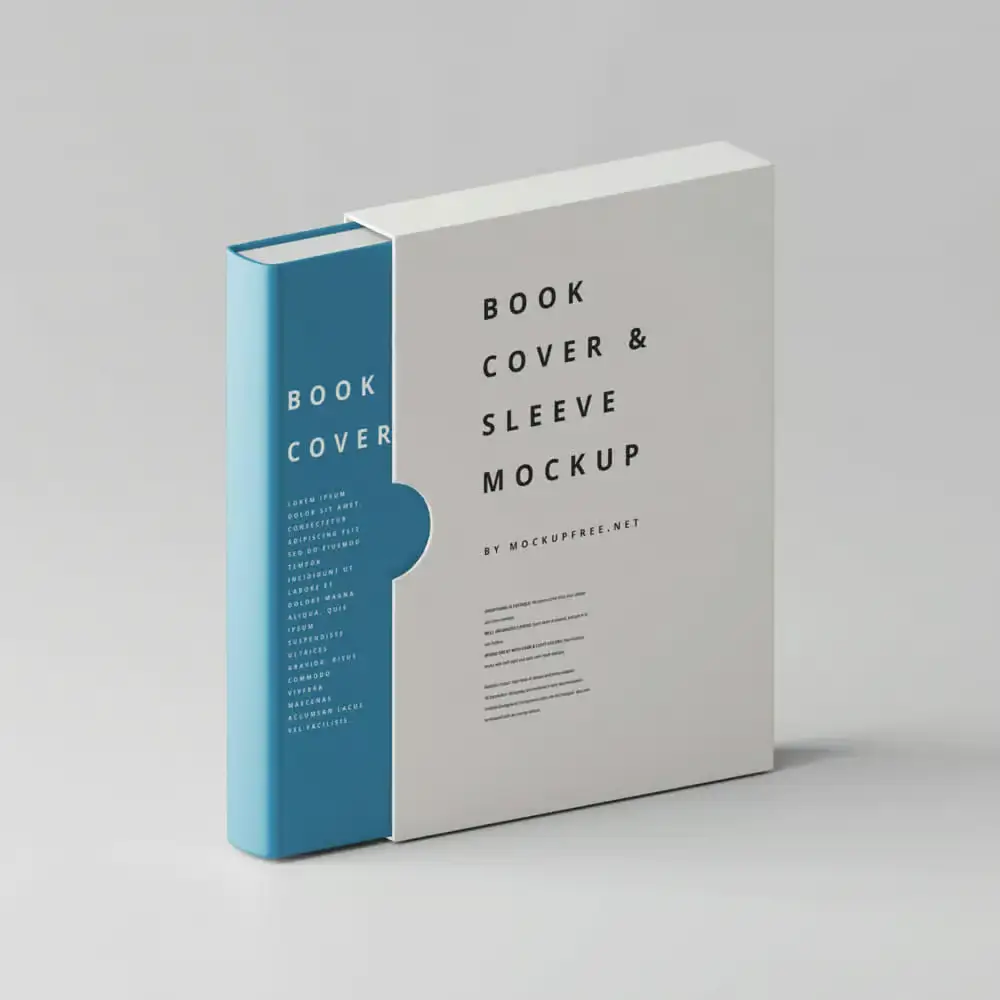
Standard Book Cover Dimensions You Need to Know
The most popular sizes for front panel trade paperback books are 5″ x 8″, 5.5″ x 8.5″ and 6″ x 9″. The back cover, spine and front cover make up a full wraparound book cover, as one flat file. The width of the spine will vary with the number of pages and paper stock and is not a standard width. The main reason indie books are returned for reprint is these measurements being off.
Why Do Bleed, Trim and Safe Zones Matter So Much?
Prints should be 0.125″ bleed all around to ensure that the colors extend to the edges of the book cover. The cut position is referred to as the trim line and the safe zone is the area that protects text and logos from the cut. If either of these is missing, you’ll end up with either cropped art or white borders.
What Resolution Should Your Artwork Files Be?
The minimum for printing is 300 DPI. Average web-size pictures are approximately 72 DPI and get fuzzy when printed large. Always use CMYK colours and embed your fonts to prevent any colour shifting during production.
Types of Book Cover Packaging Explained
There are several book cover types. Paperback covers are made from flexible cardstock and wrap around the book. Print media wrapping or hardcover board with a dust jacket is used to cover hardcover books. For short guides, proposals and promotional editions, saddle-stitched booklets and softcover wraps are more economical.
Some retailers or distributors may require a specific book cover format based on the type of shelving and distribution, etc. Verify this early to align with bookstore and online distributors’ needs.
Which Book Cover Format Fits Your Release?
Paperbacks make the best retail books and are widely distributed. Hardbound with a dust jacket are perfect for collectibles, gifts and high quality editions. Booklets and small softcover wraps are good for bulk giving, workbooks and event handouts. Choosing the right book cover format will help to cut the cost of reprinting the book.
How Much Does Custom Book Cover Printing Cost?
Custom book cover printing comes in various quantities, paper stocks and finishes. The price per copy is higher for short runs (25-100 copies) and orders of more than 500 copies are sold at a sudden drop in price per copy. The book cover may be laminated (matte, gloss, foil or spot UV) for a minimal additional cost and the end product will be a book that will stand out on a shelf.
Materials That Will Last on the Book Cover.
Cover stock protects your book during shipment and handling. Heavier cover stock (usually 10pt or greater) will be more resistant to bending and scuffing. For those authors seeking a sustainable brand, Kraft paper is a natural option that’s good for the environment. A gloss stock will bring out the colors, while a matte stock will be easy on the eye in store lighting.
Why Printed Books Still Matter in 2026
In 1915, a man donated 130 books to the library and it continues to be a tradition for patrons to donate books, sign them and in turn be signed by others. Although ebooks and audiobooks are gaining in popularity, people still enjoy collecting, signing and giving printed books. It’s a consistent demand that makes the demand for high-quality book covers remain robust.
What File Formats Do Printers Accept?
Print ready PDF (PDF/X-1a or PDF/X-4) is most preferred by most printers. If the printer is a design service, native files from Adobe InDesign (INDD), Photoshop (PSD) or Illustrator (AI) may be supported. Verify all colors are embedded in the CMYK color system by reviewing your book cover file before sending it.
Common Book Cover Mistakes That Delay Printing
- Don’t upload RGB files; they will not result in the same color.
- Skipping the bleed produces white edges after cutting.
- Displaying low quality images on the web; logos and text become blurry when printed.
- The guess for the width of the spine; text misalignment or wrapping to the wrong panel.
They can be easily corrected before your book cover file is sent and can save days of turnaround time.
Get Your Book Cover Printed Right the First Time
Vexa Packaging converts your artwork into a print-ready book cover with proven templates, accurate bleed settings, and the best stock choices. No more guesswork and reprint delays like so many independent releases get caught in. Contact us by email at inquiry@vexapackaging.com.